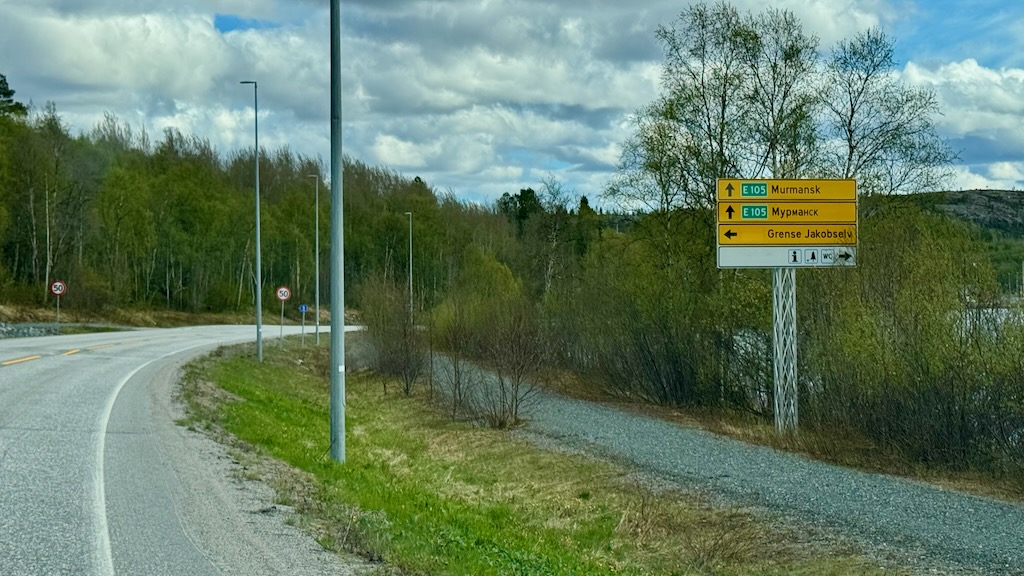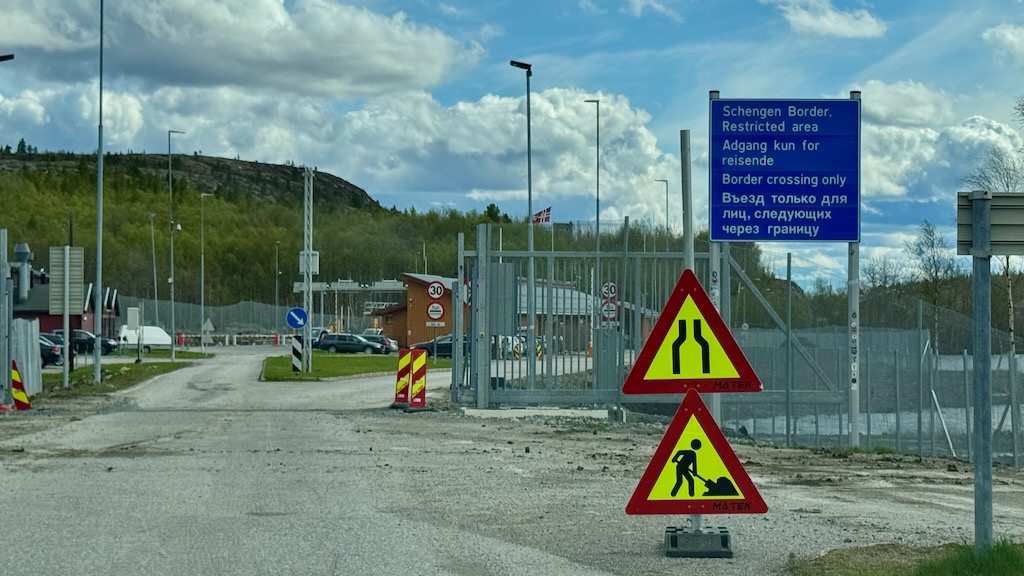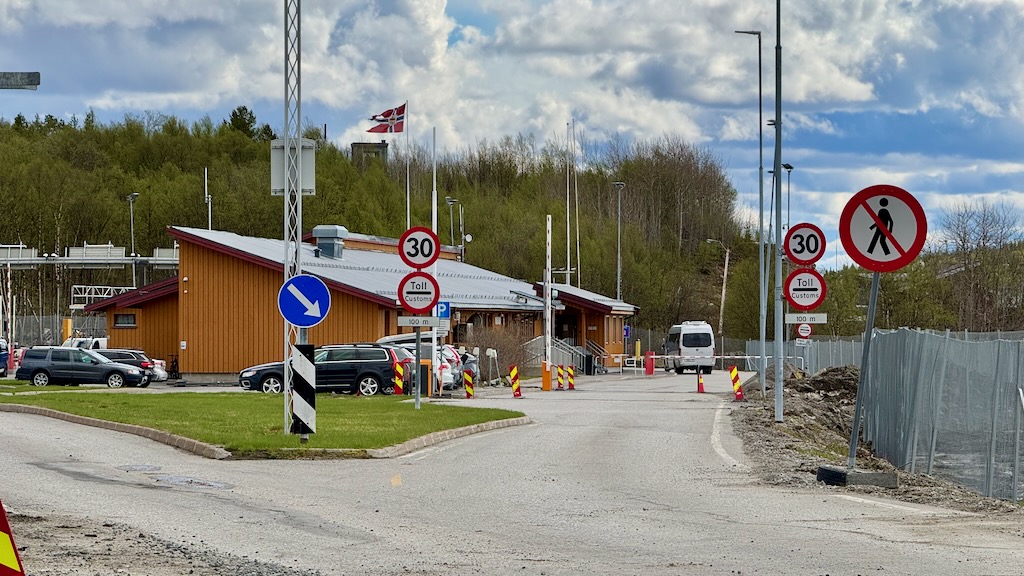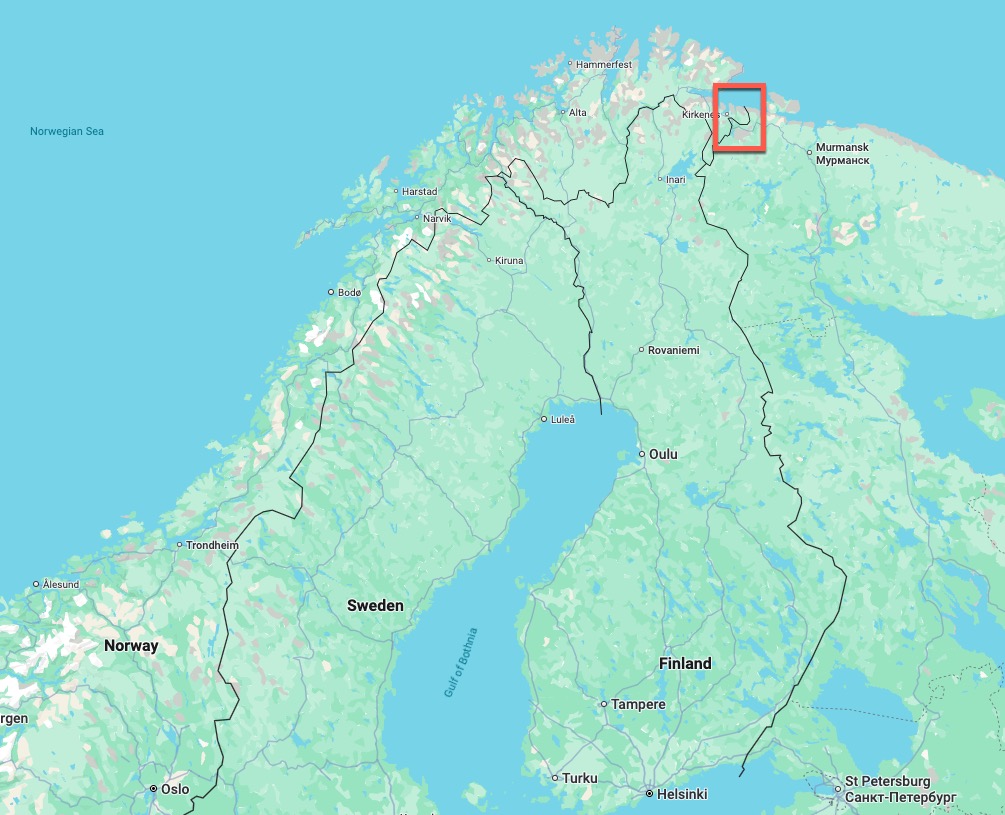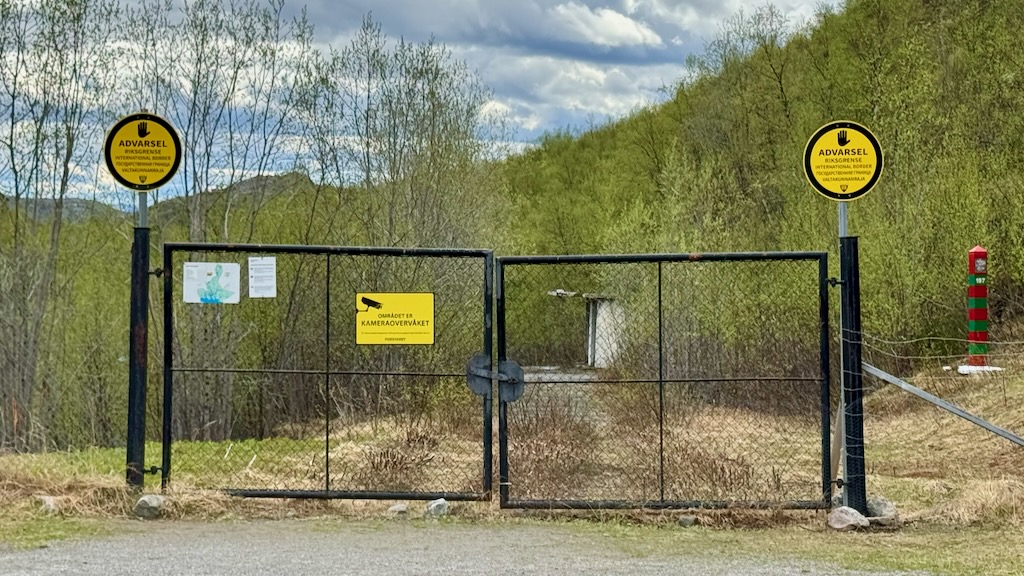
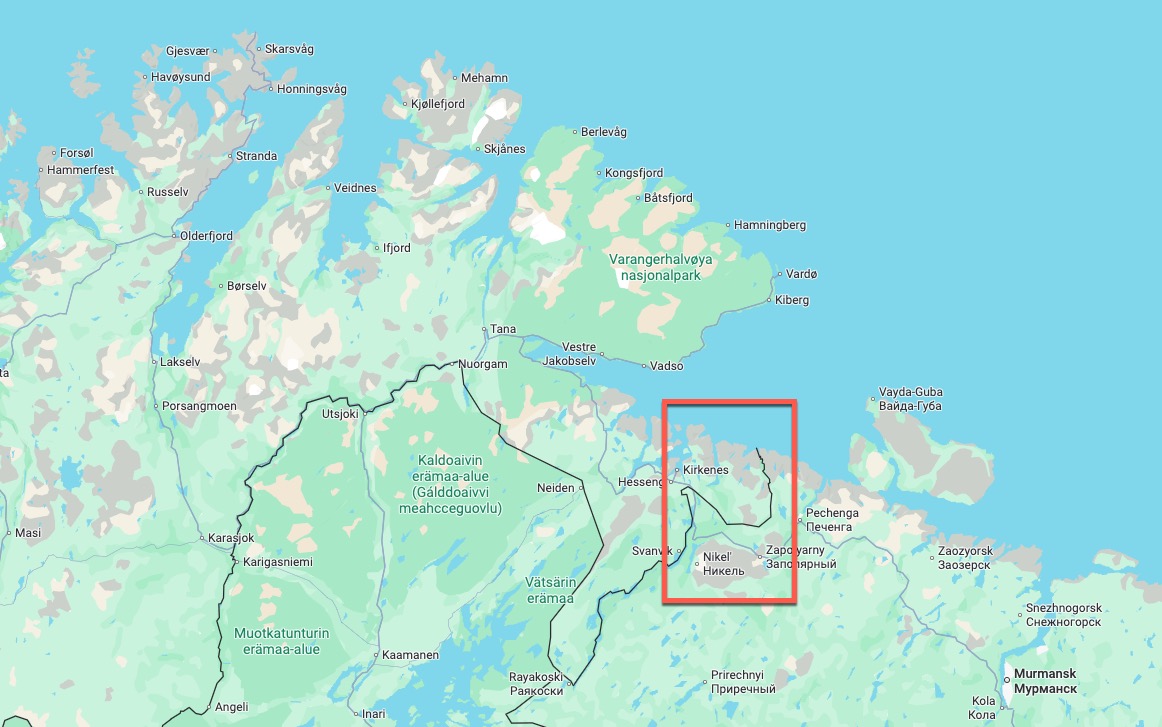
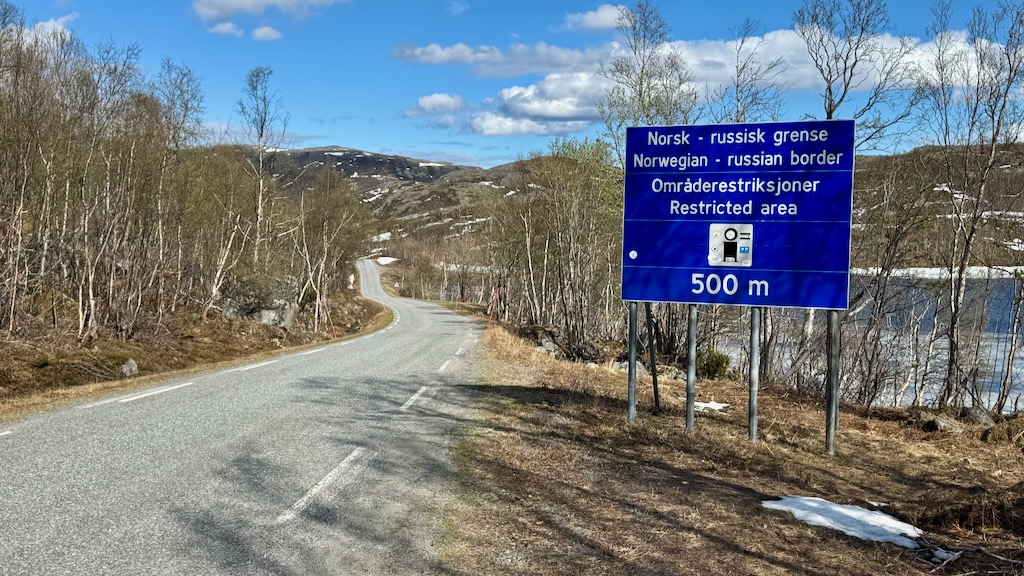
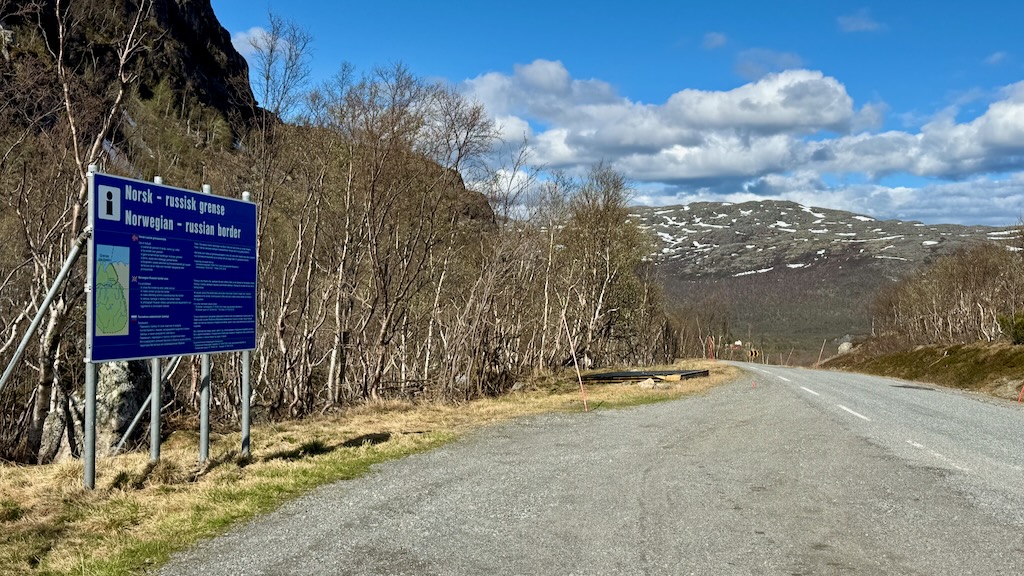
Traveling along the Norway-Russia border was a truly unique experience. While security has been reinforced across most of the border due to recent events, this stretch of road in the far northeastern part of Western Europe, near Kirkenes, felt strikingly unguarded.
Yet, despite the lack of visible border patrol, the unseen presence was undeniable. As I stopped to take photos at the old, now-closed Skafferhullet border crossing, the silence around me was almost unsettling. Not long after, a pickup truck approached, carrying two Norwegian border guards.
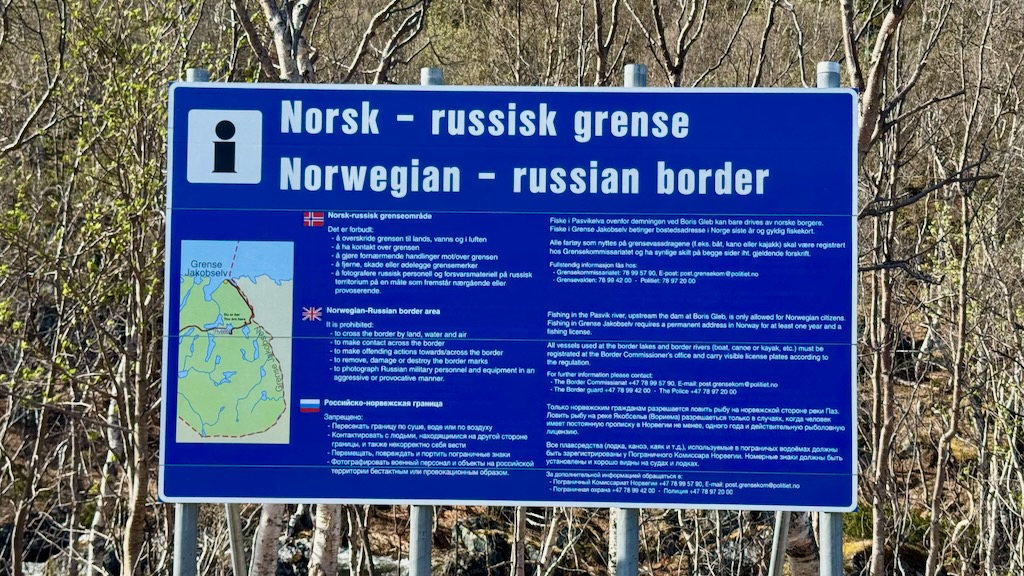
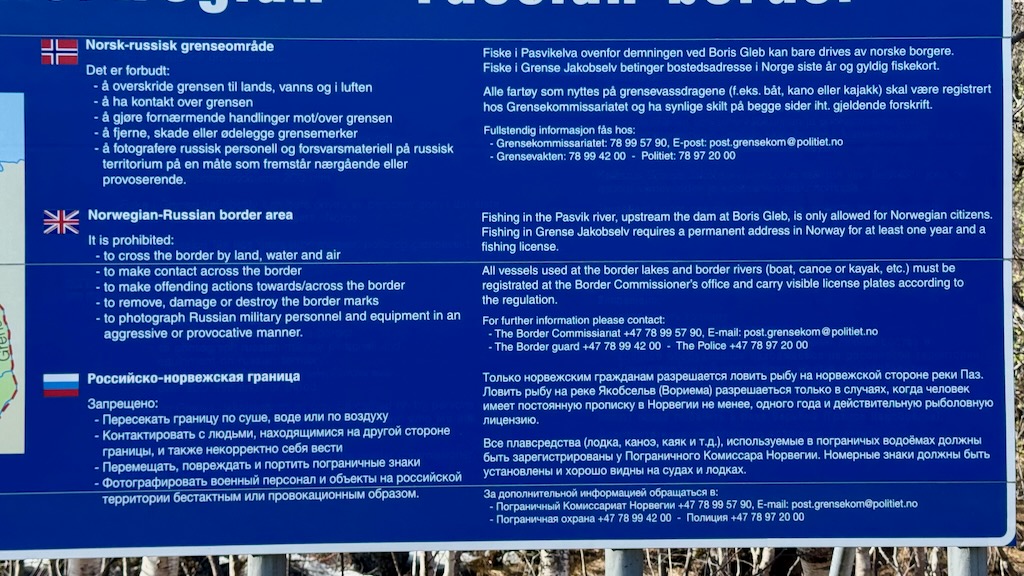
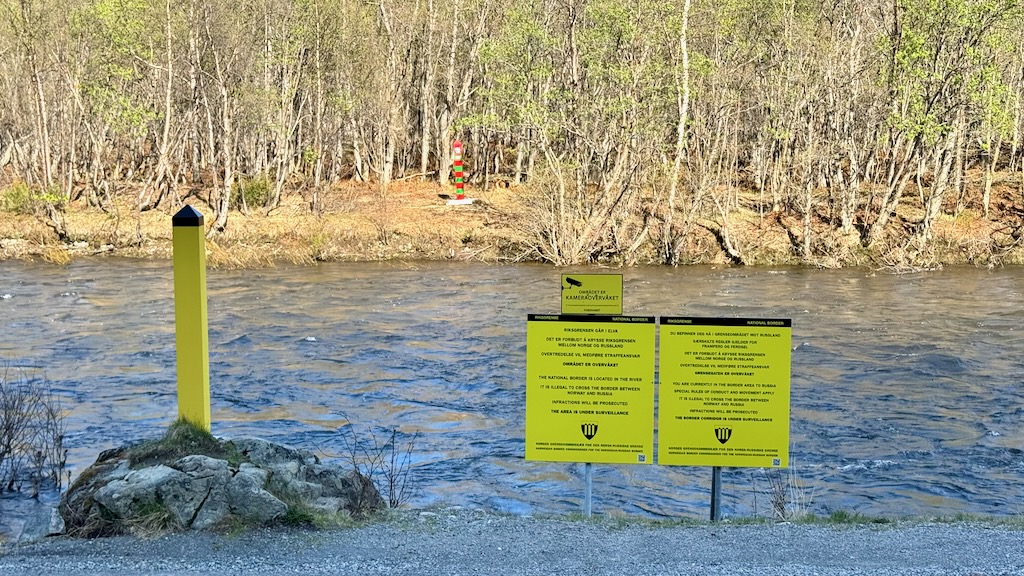
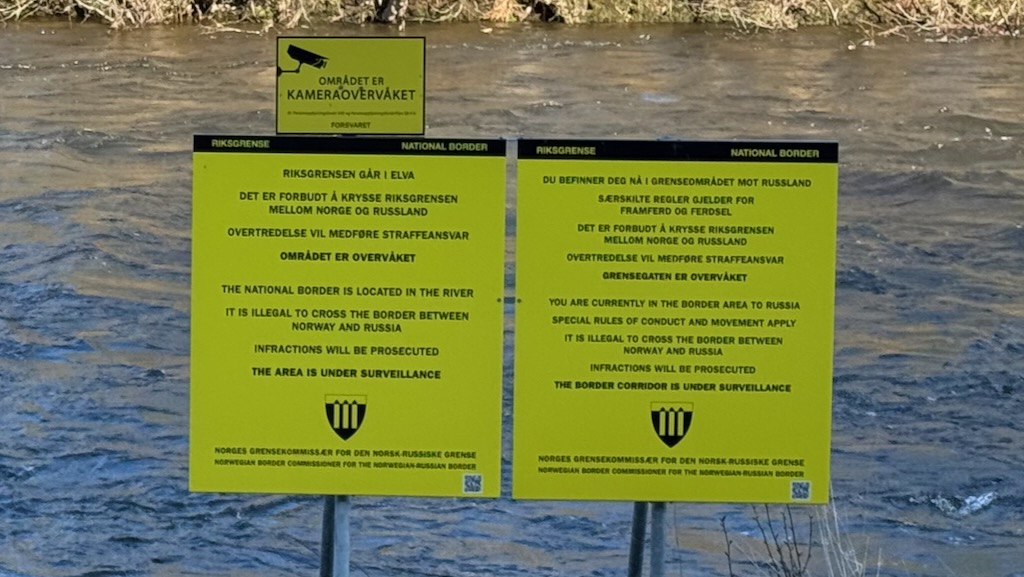
They had been alerted to my prolonged stay near the border. Friendly and professional, they simply wanted to ensure visitors were aware of the rules, especially the strict prohibition on stepping into Russian territory, even for a second. I imagine the reception from Russian border guards would be far less welcoming.
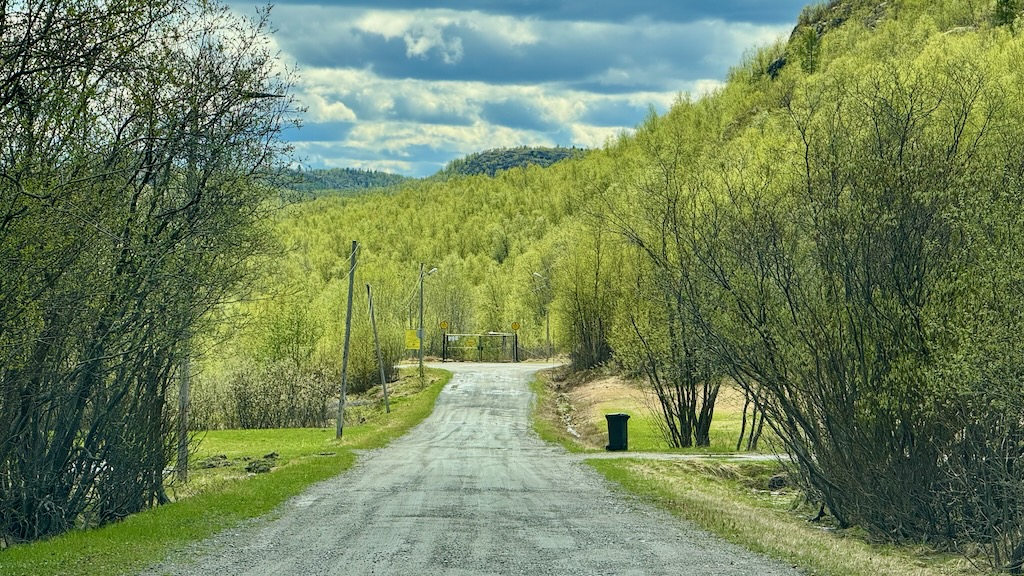
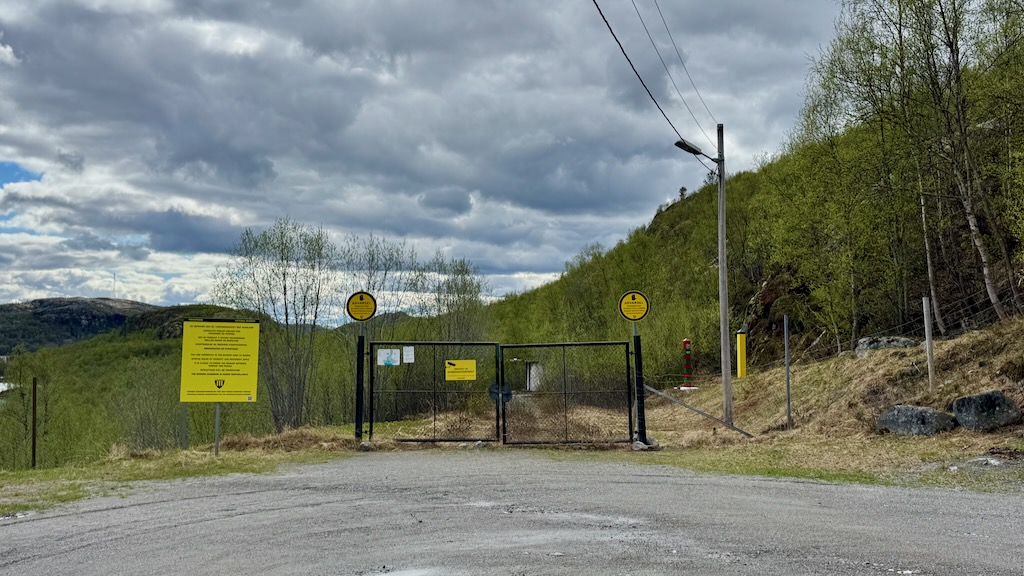
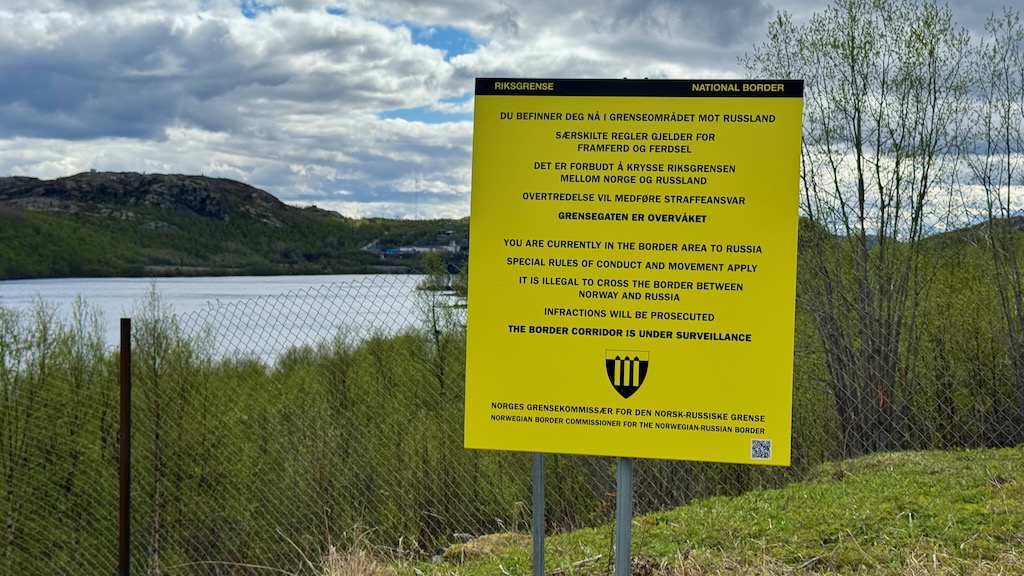
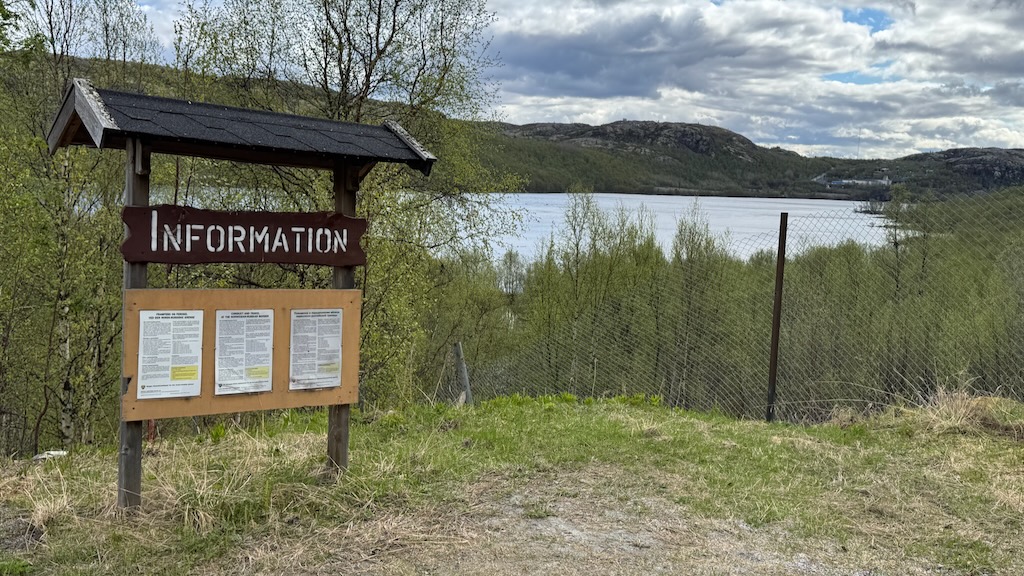
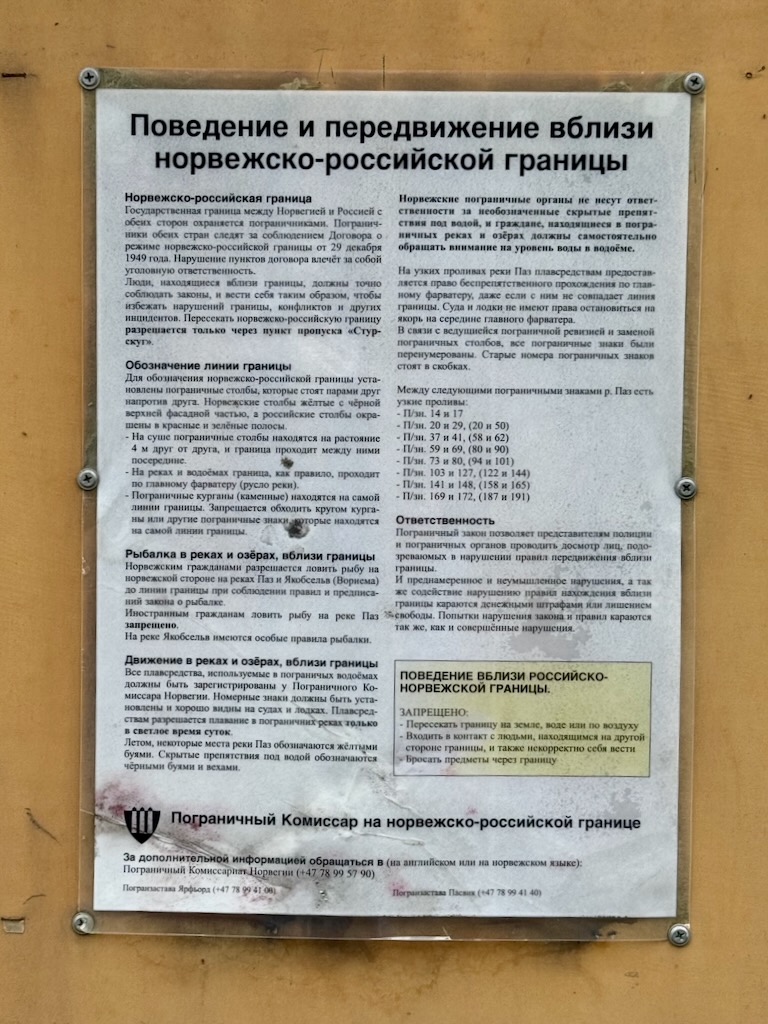
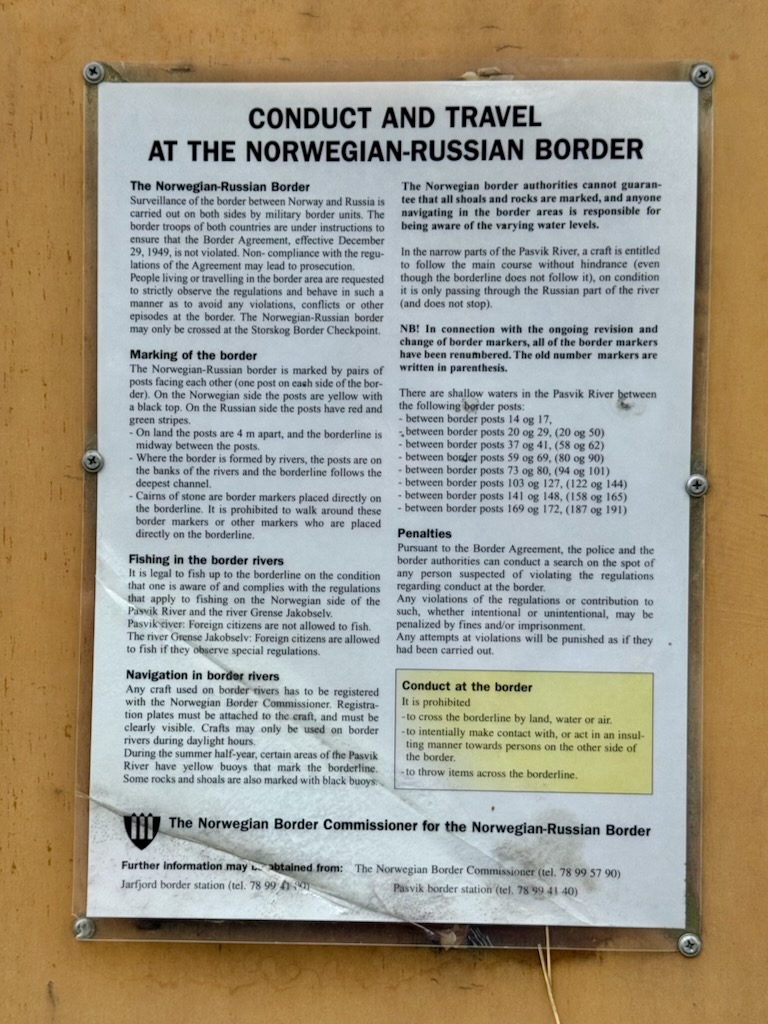
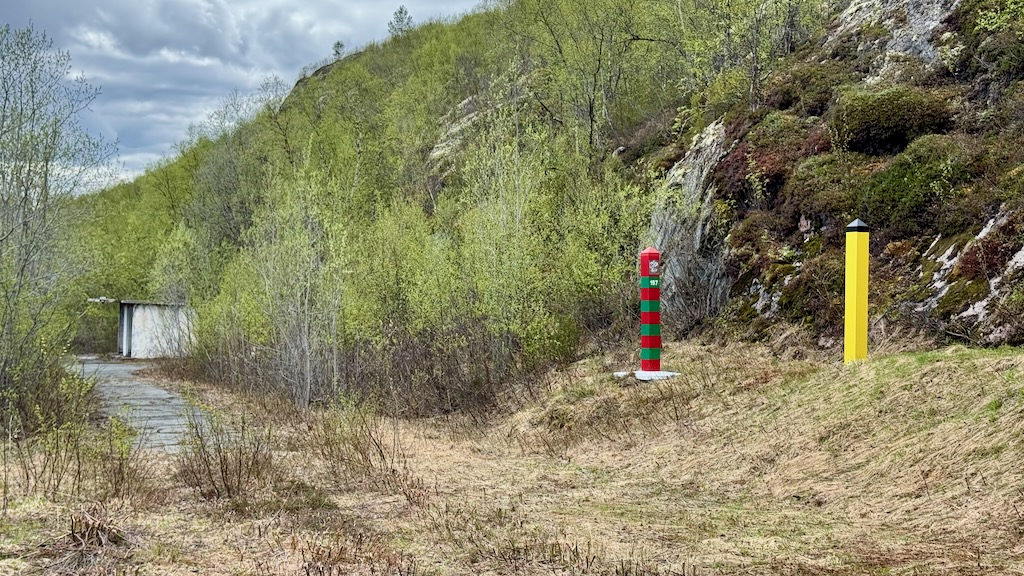
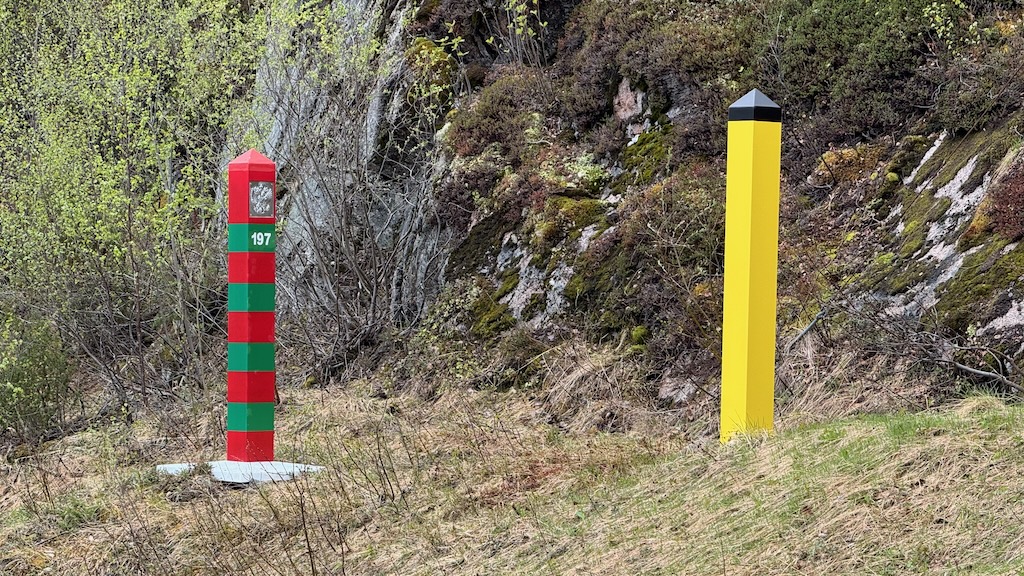
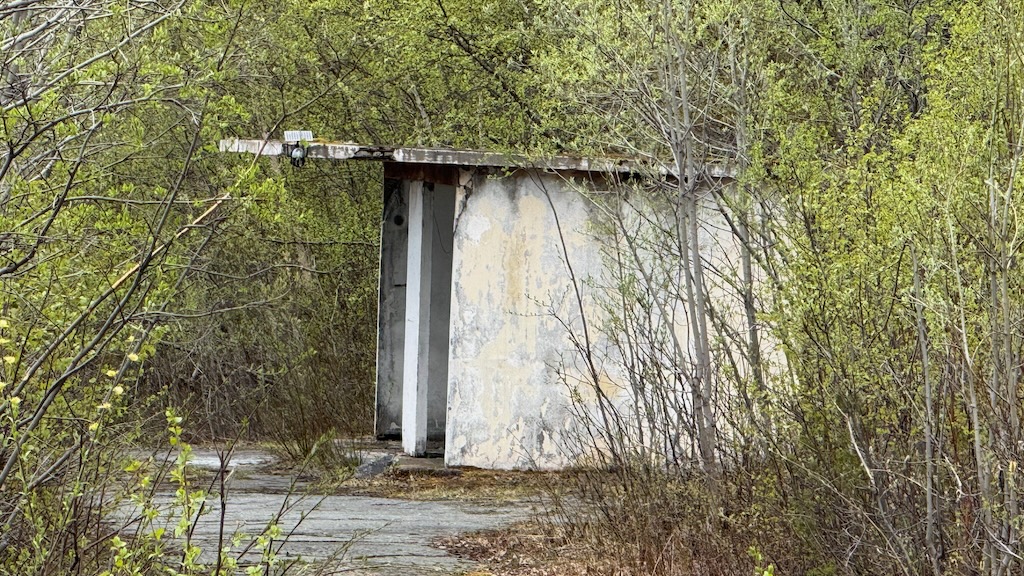
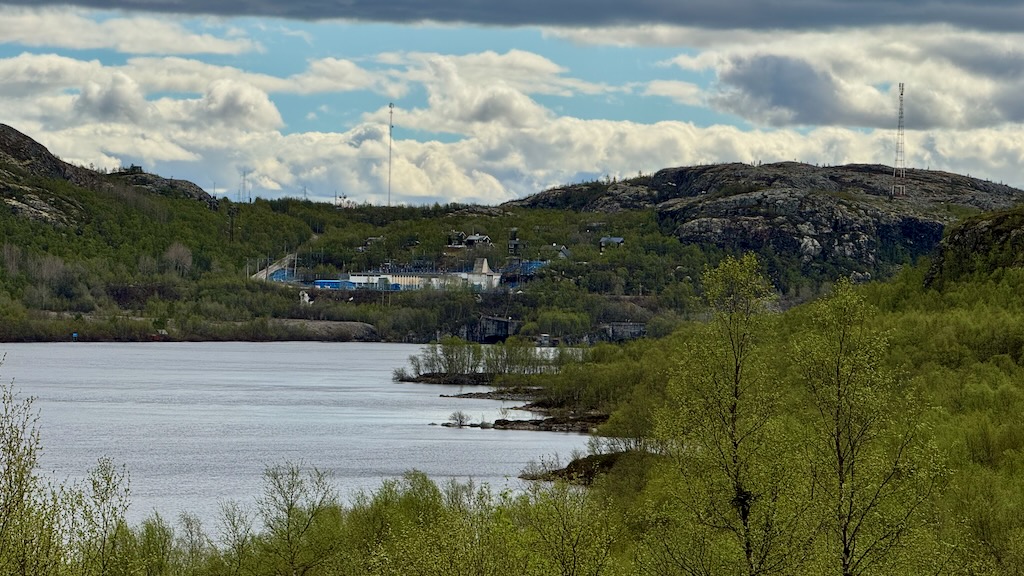
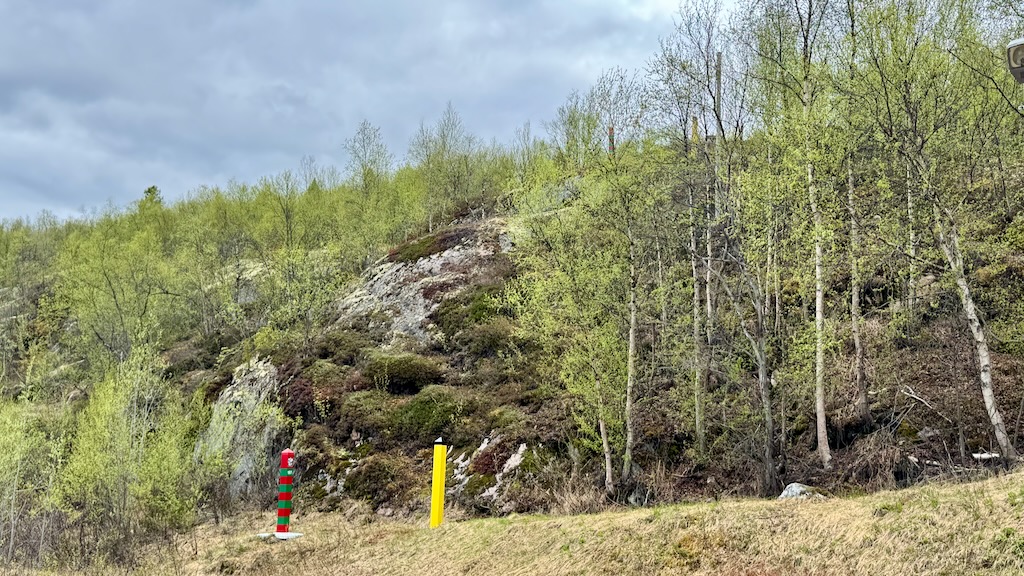
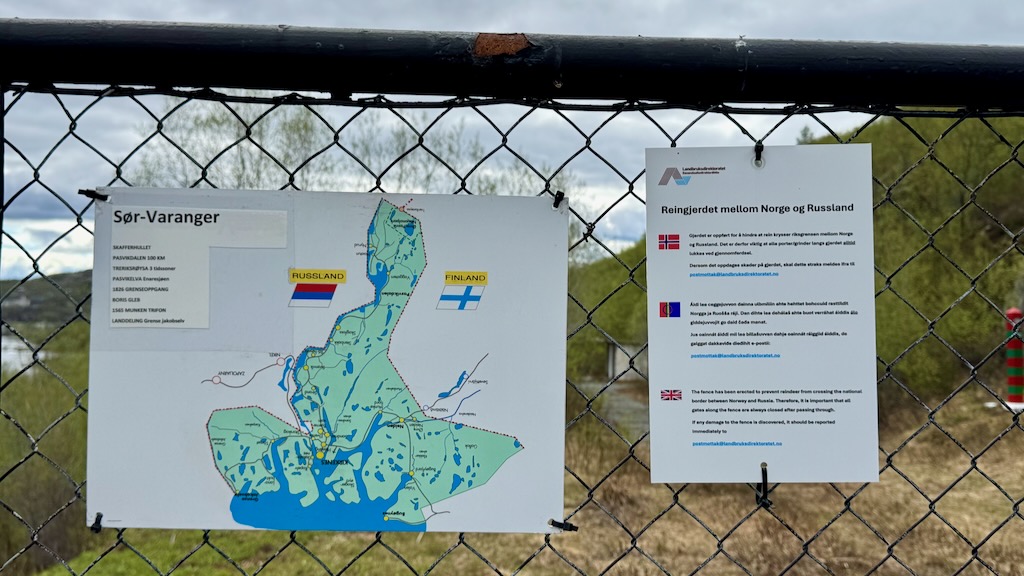
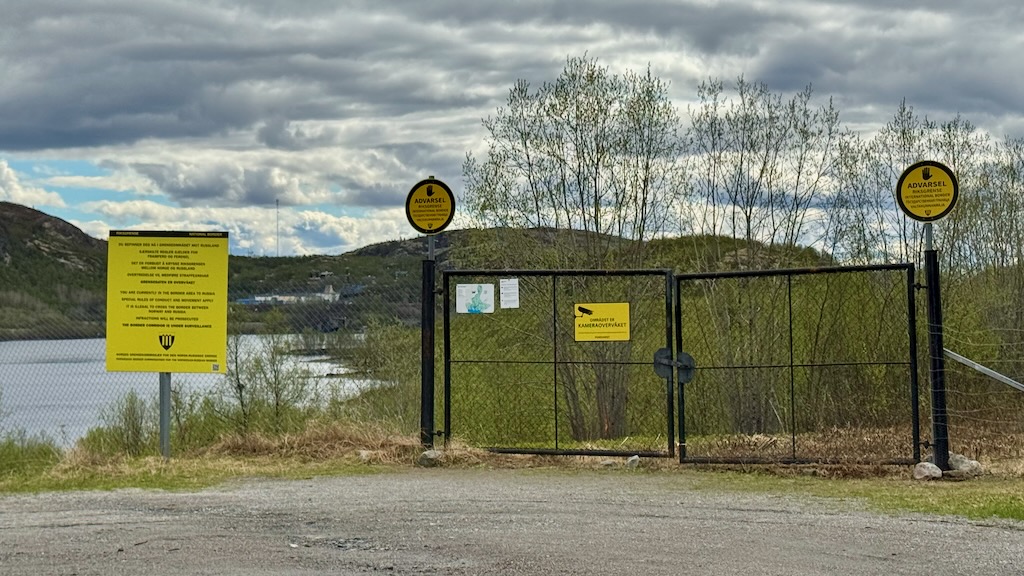
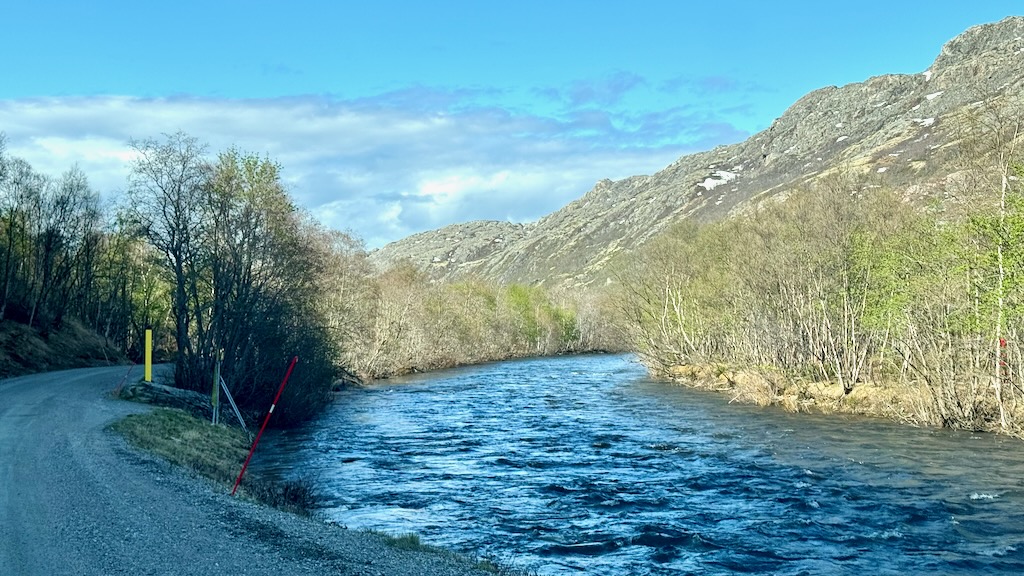
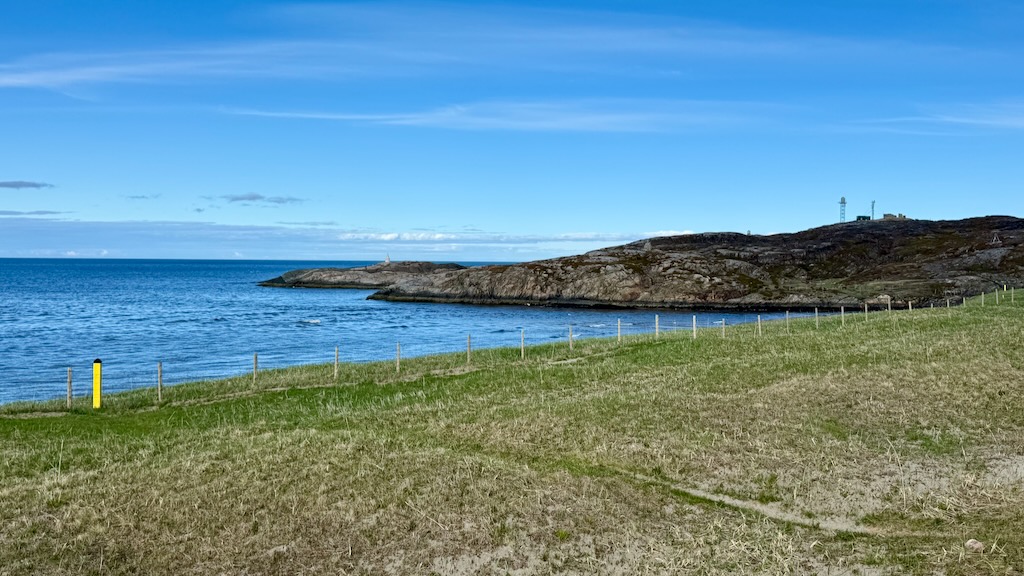
The road from the present official border crossing leads to the Jakobselva river where it follows the border for about 15 kilometers before reaching the Barents Sea. No visible security forces stood watch, but I was certain both sides were monitoring the area. Beyond the trees on the Russian side, an additional security fence exists, though it remains hidden from view. The contrast between one NATO country and Russia was fascinating, a rare experience that few get to witness up close.
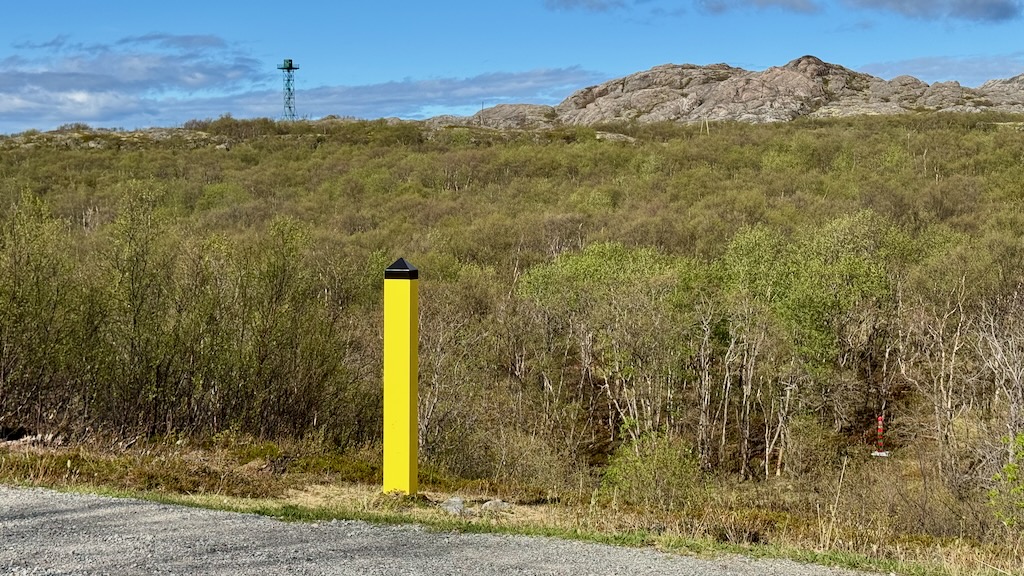
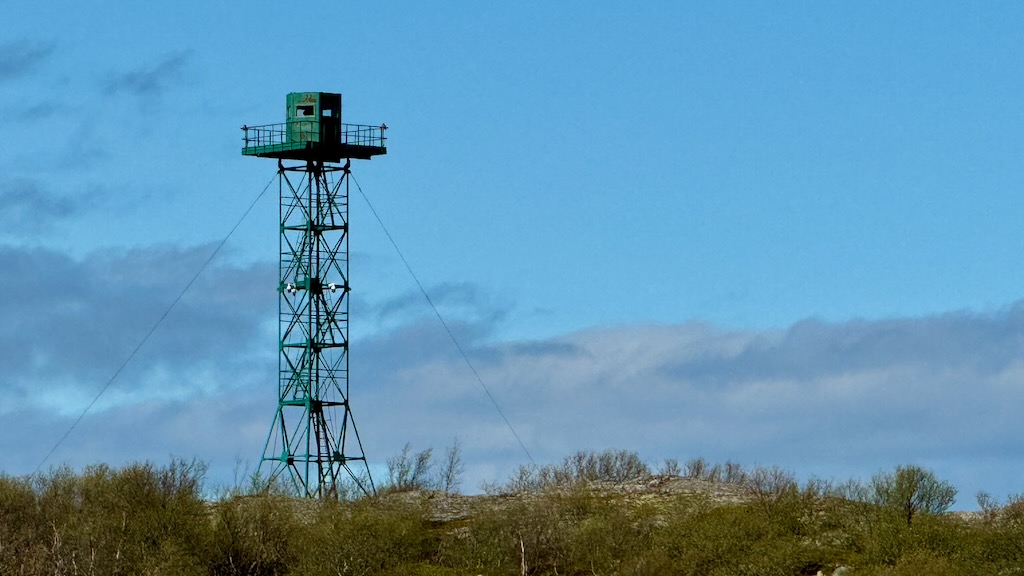
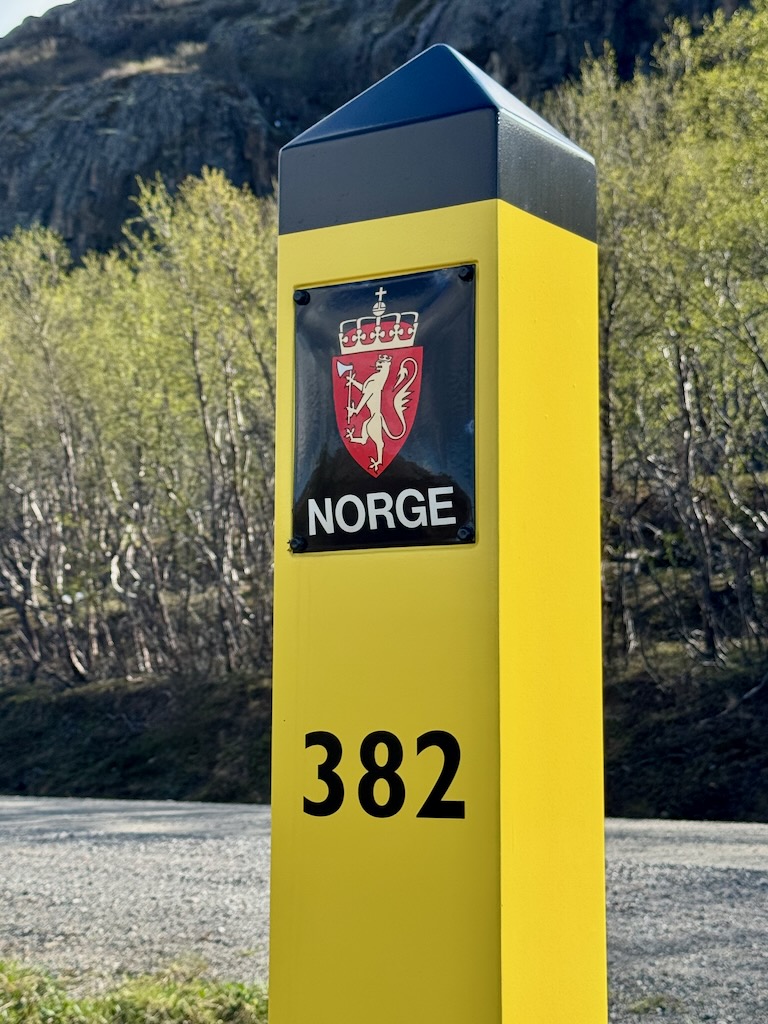
The border markers between Norway and Russia are distinct in their coloring. Yellow and black for Norway, red and green for Russia. Each marker bears the coat of arms of its respective country, positioned on the side facing the border. They are placed two meters from the actual boundary, except in cases where the border runs through a river or lake. On the Russian side, the watchtowers appear old and unoccupied but are fitted with multiple cameras, ensuring constant surveillance from both sides.
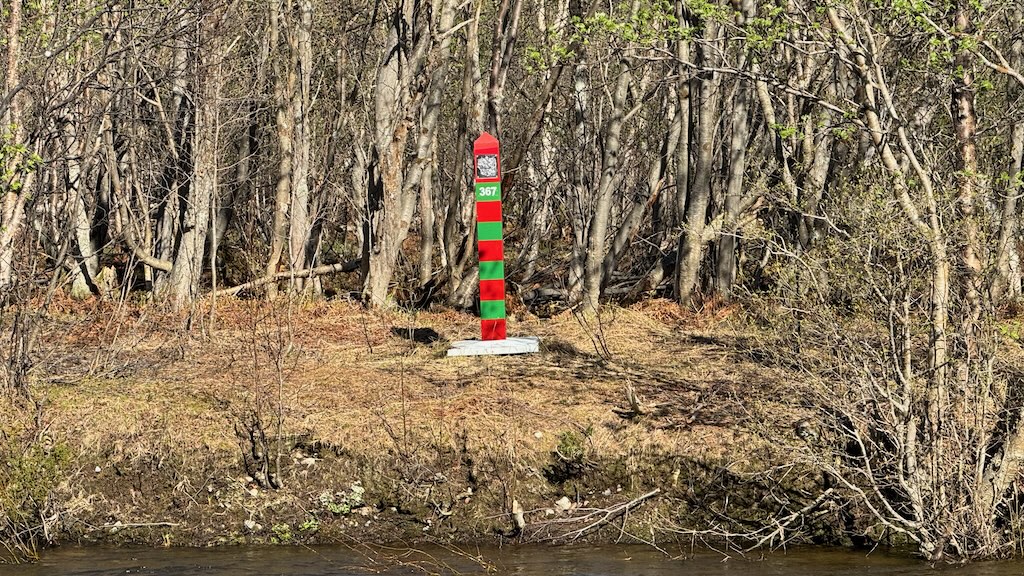
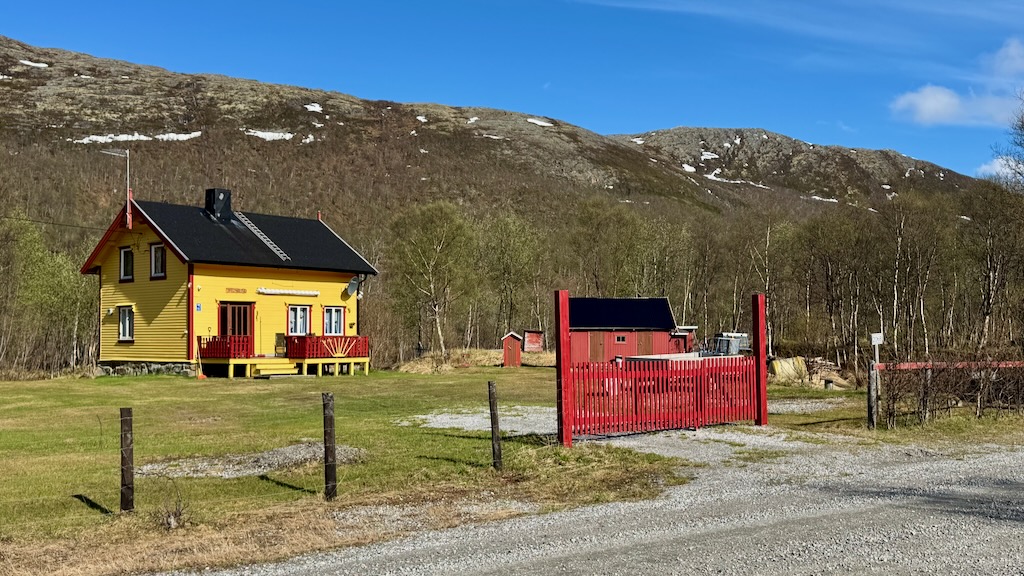
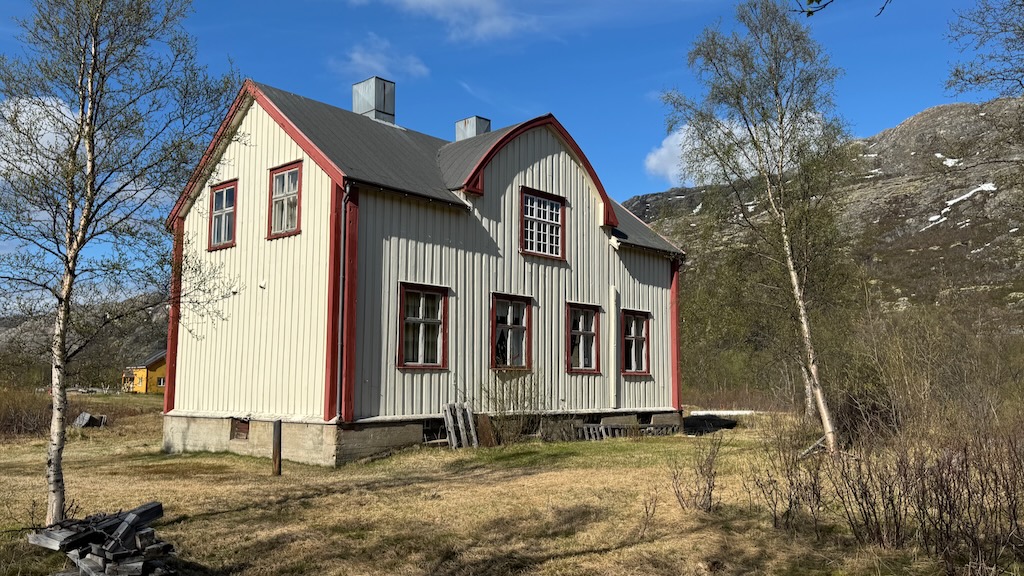
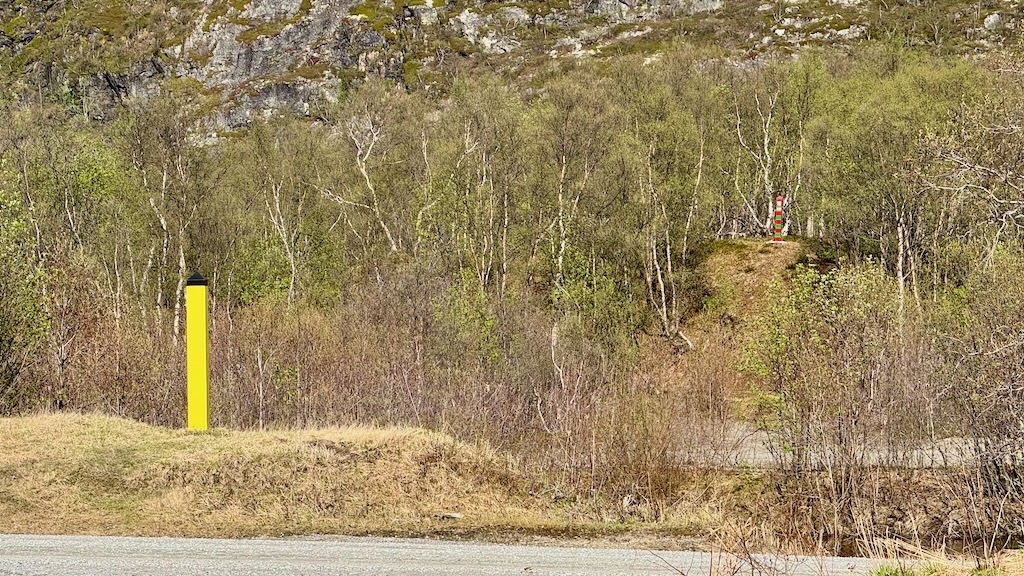
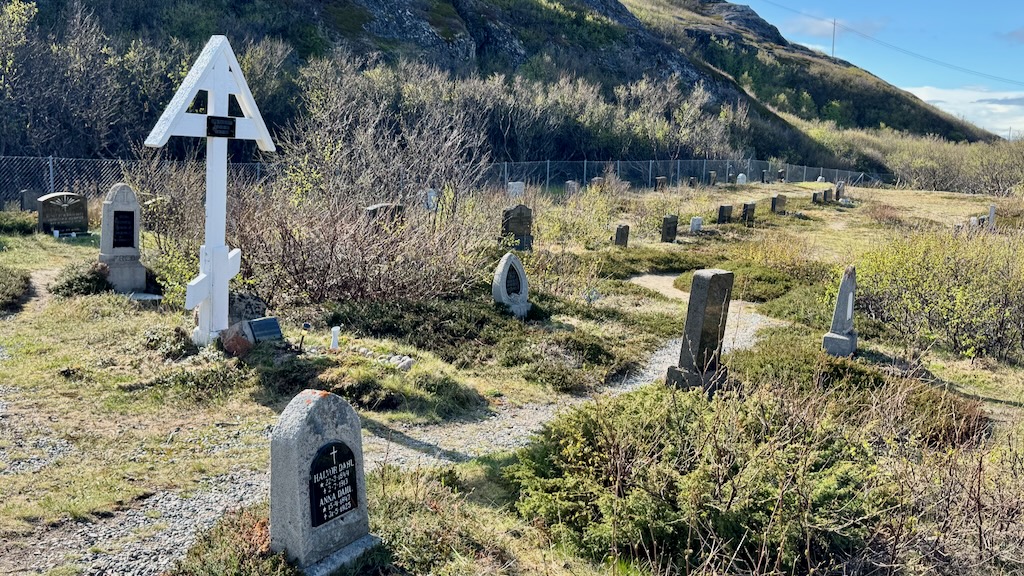
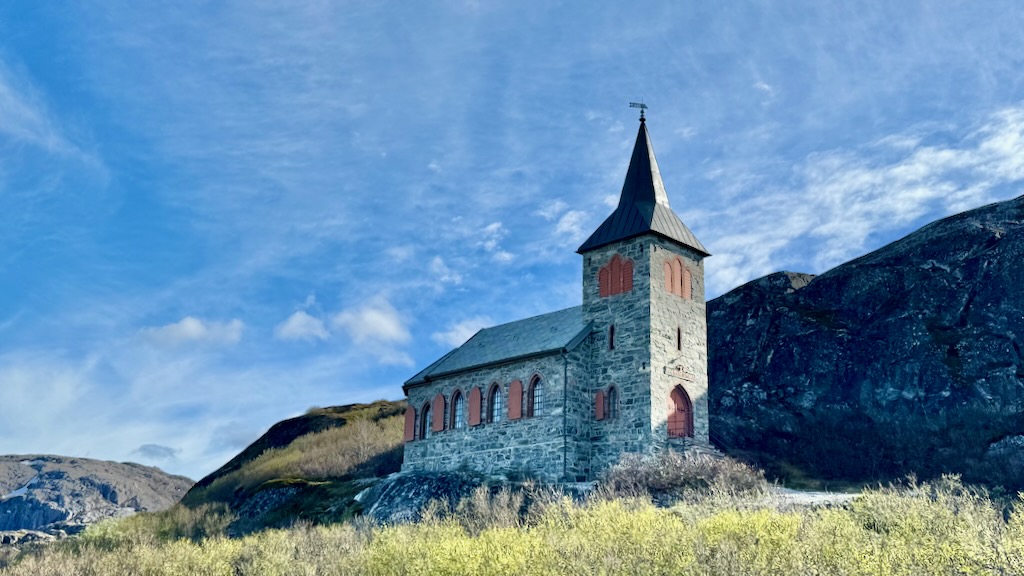
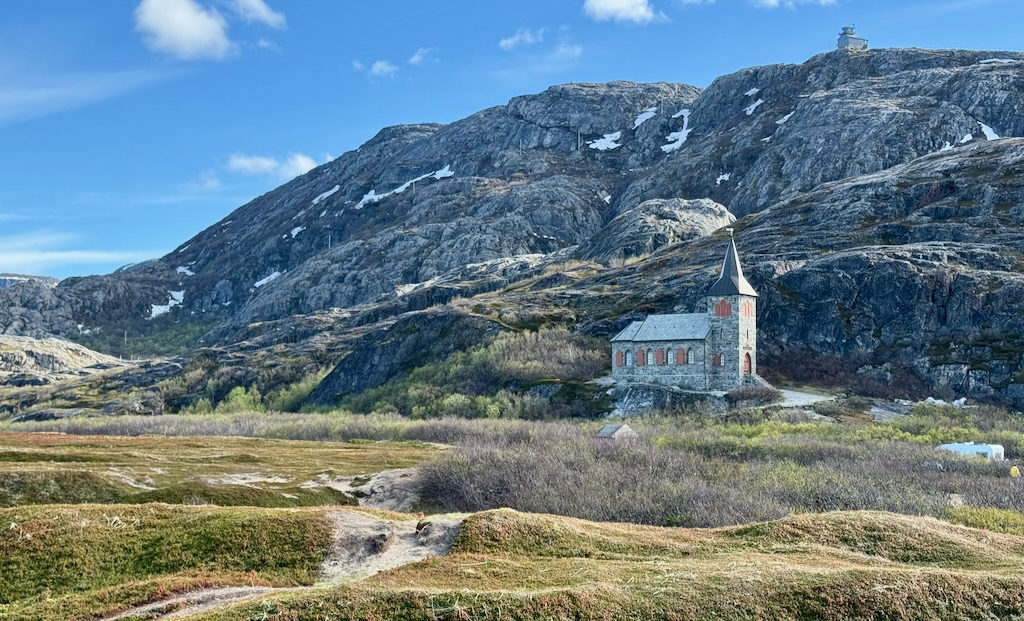
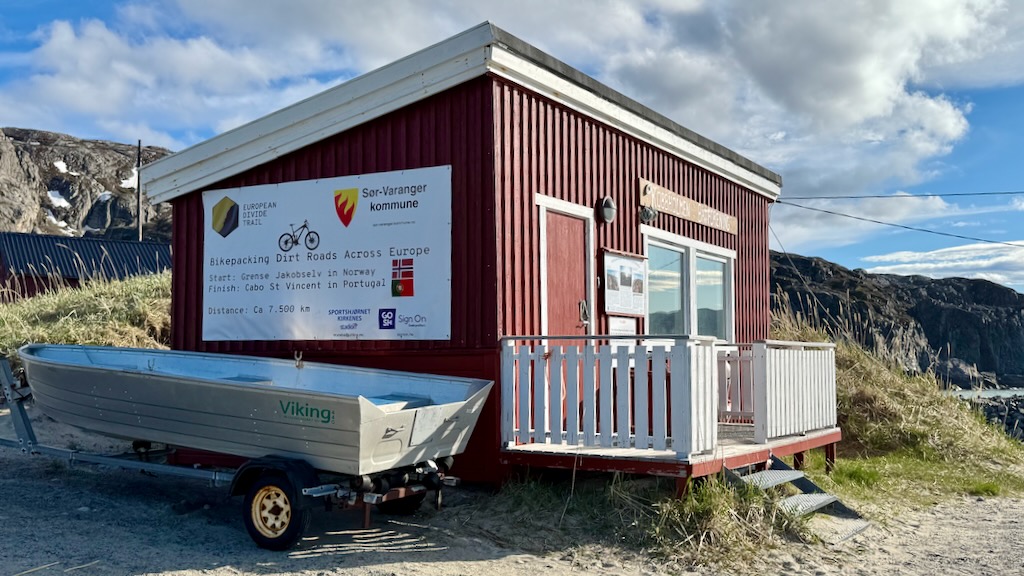
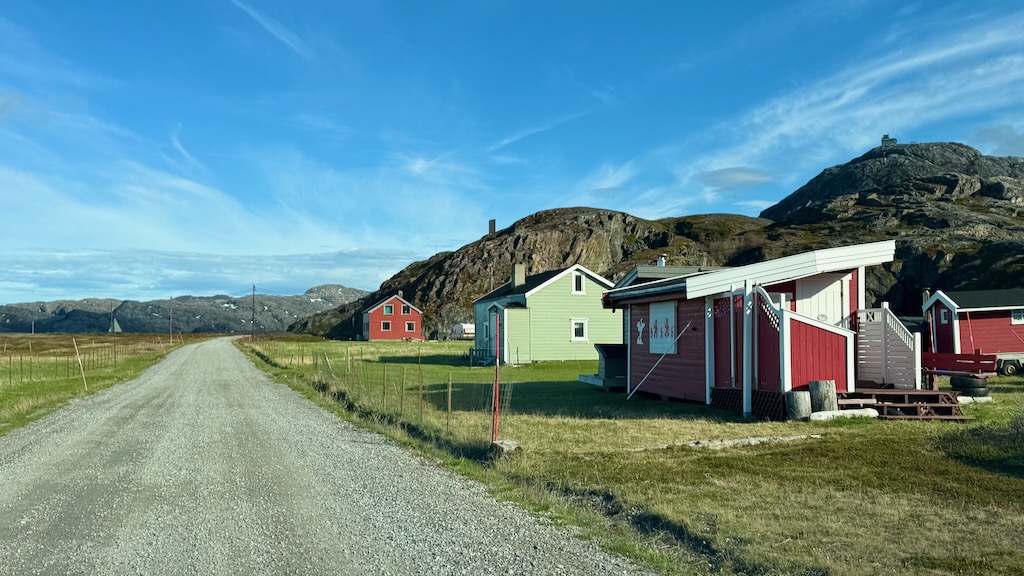
Along the Barents Sea coast, several intriguing spots await exploration. Grense Jakobselv is a small village that has an isolated feel, with little sign of permanent residents. The King Oscar II Chapel, built in 1869 as Norway’s territorial claim to the area, was closed to visitors. The only way to glimpse its interior is by peering through the windows where possible.
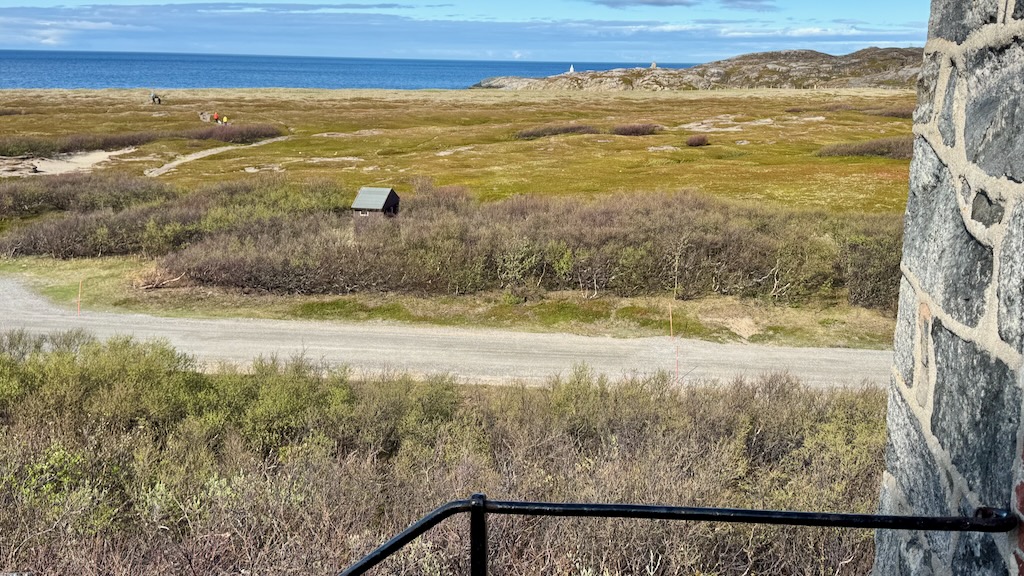
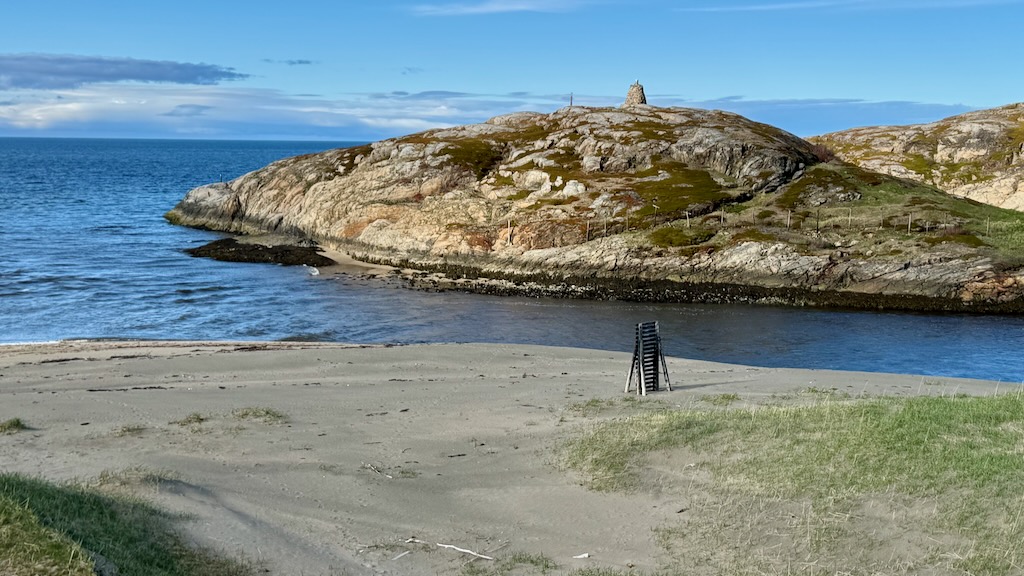
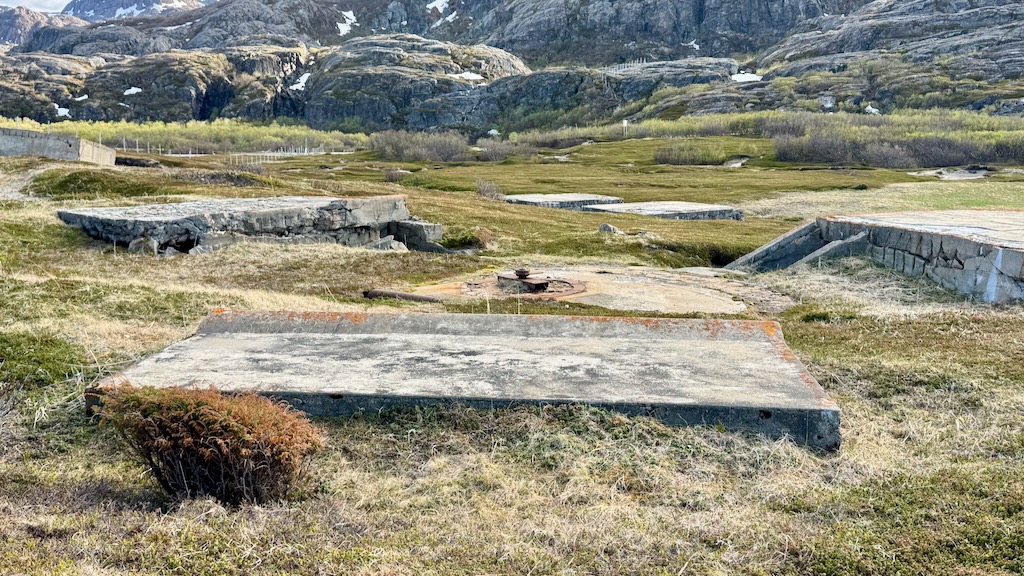
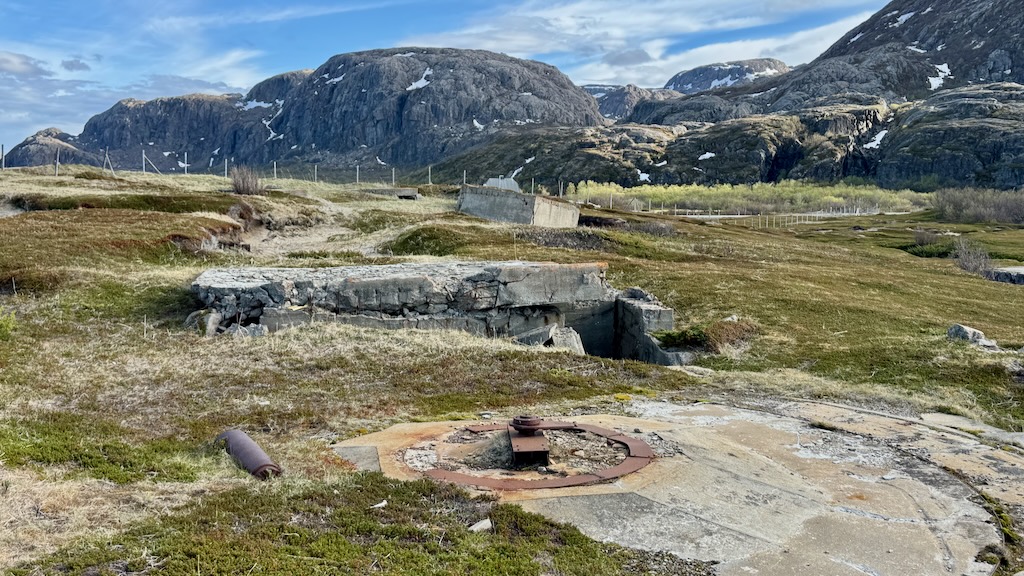
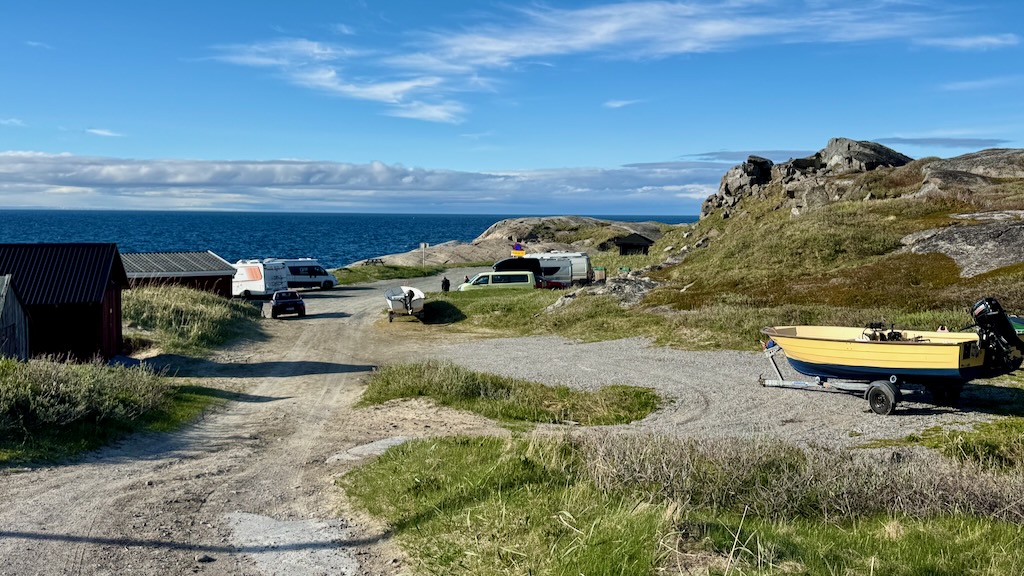
Nearby, remnants of old bunkers sit just off the coast. While information on them is scarce, they seem to date back to World War II and were likely constructed by the German military. The surrounding beach and dunes provide a peaceful setting for a quiet walk, offering stunning views across the Barents Sea toward Russia. The road ultimately leads to a small area frequented by campers seeking a short retreat. Though there isn’t much in terms of traditional attractions, the area’s remoteness and its unique geographical position make it a compelling destination.








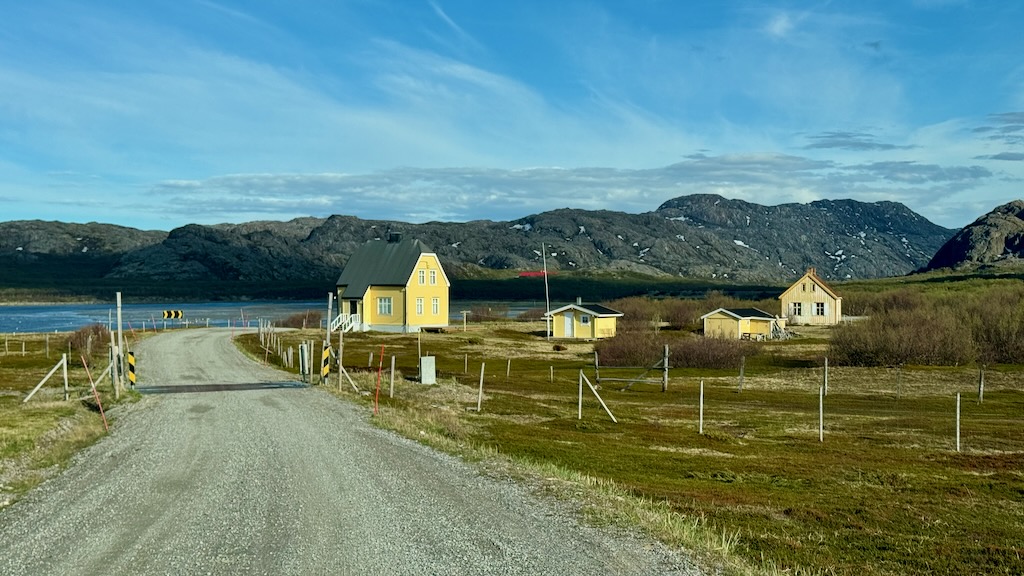
The official border crossing remains closed to most travelers. The idea of driving into Russia and exploring Murmansk or St. Petersburg is an enticing thought. Perhaps one day it will be possible again when conditions improve. However, cautionary tales linger. Some individuals have accidentally crossed for mere minutes, only to be fined €1,000 by Norwegian authorities.
Others who crossed never returned, their fate uncertain. Whether voluntary or not, the consequences could be severe, lost in a system that few ever escape. A stark reminder that here, a border is more than a line on a map. It’s a boundary between vastly different realities.